
A vehicle’s heating system may seem mainly responsible for keeping the cabin warm during cold weather, but several of its components also interact closely with the engine cooling system.
One of the most important is the heater valve. When this relatively small component starts to fail, the effects can extend beyond uncomfortable cabin temperatures and may influence coolant circulation, engine temperature control, and overall vehicle reliability.
For car owners, buyers, sellers, and enthusiasts, understanding how the heater valve works can make it easier to recognize early warning signs before a minor fault develops into a more expensive repair.
What Does a Heater Valve Actually Do?
The heater valve regulates the flow of hot engine coolant into the heater core. The heater core works much like a small radiator located behind the dashboard. When warm coolant passes through it, the HVAC system blows air across the heated surface and sends warm air into the passenger compartment.
Depending on the vehicle, the heater valve may be controlled mechanically, electronically, or through vacuum pressure. Modern vehicles often integrate heater-valve operation with electronic climate-control modules and temperature sensors.
When the valve opens and closes correctly, coolant circulation remains controlled according to the cabin temperature selected by the driver. If the valve sticks, leaks, or stops responding, the heating system can behave unpredictably.
Poor Cabin Heating Is Often the First Warning Sign
One of the most obvious symptoms of heater-valve trouble is weak or inconsistent cabin heat.
A valve that remains partially closed can restrict coolant from reaching the heater core. As a result, the blower motor may operate normally while only cool or mildly warm air comes through the vents.
Drivers may also notice that the temperature changes while accelerating or driving at different engine speeds. This can happen because variations in coolant pressure temporarily affect flow through a damaged or restricted valve.
For vehicles being inspected before purchase, inconsistent heating can be a useful clue that the HVAC or cooling system deserves closer attention.
Coolant Leaks Can Create Bigger Problems
A damaged heater valve can also develop external leaks. Because the valve carries engine coolant, even a small crack in its housing, seal, diaphragm, or connection can gradually lower the coolant level.
Low coolant is more serious than a lack of cabin heat. The cooling system depends on a sufficient volume of coolant to absorb heat from the engine block and cylinder head before transferring it through the radiator.
If the coolant level continues falling, the engine may begin running hotter than normal. In severe cases, overheating can damage head gaskets, cylinder heads, seals, and other expensive engine components.
Drivers who notice a sweet coolant smell, damp areas around coolant hoses, or unexplained coolant loss should have the system inspected rather than simply topping up the reservoir repeatedly.
Repairing the Valve May Be More Practical Than Replacing the Entire Unit
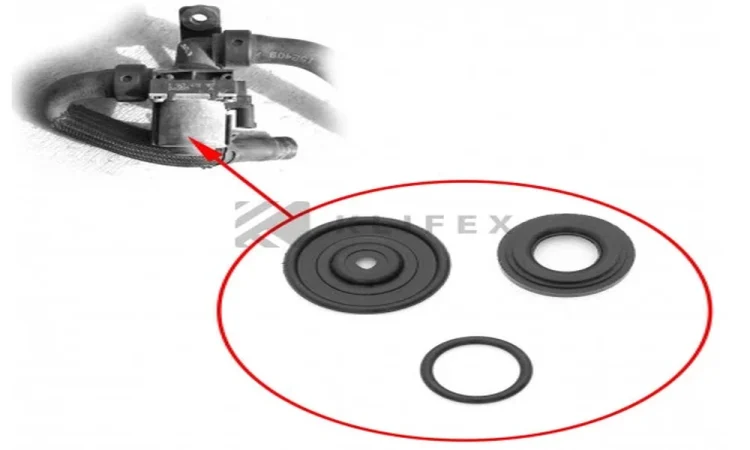
Not every heater-valve problem automatically requires replacement of the full assembly. In some applications, the failure may be limited to internal seals, membranes, pistons, or other serviceable components.
This is where properly matched heater valve repair kits can become relevant during vehicle maintenance. A suitable repair kit may allow worn internal components to be replaced while retaining the original valve housing, provided the main body is still in good condition.
However, a correct diagnosis is essential. Mechanics should first confirm whether the fault actually comes from the heater valve rather than the thermostat, heater core, coolant pump, blend-door actuator, blocked coolant passage, or electronic climate-control system.
Using vehicle-specific diagnostic procedures helps prevent unnecessary parts replacement.
A Faulty Valve Can Affect Coolant Circulation
The heater circuit forms part of the broader cooling system on many vehicles. A malfunctioning valve can therefore influence how coolant moves through different parts of the system.
A restricted valve may create uneven circulation, while a leaking valve may allow pressure or coolant loss. Depending on the engine design, these problems can sometimes contribute to temperature fluctuations or make the cooling system harder to bleed after maintenance.
Air pockets inside the coolant circuit can reduce heater performance and interfere with proper temperature regulation. This is why technicians often check coolant level, pressure, hose temperature, and heater-core flow when diagnosing heating complaints.
Watch for Common Heater Valve Symptoms
Several symptoms may point toward heater-valve trouble:
- Little or no warm air from the vents.
- Heating that changes while driving.
- Coolant leaking around the valve or nearby hoses.
- Sweet coolant smell inside or around the engine bay.
- Unexplained coolant loss.
- Incorrect cabin temperature despite normal HVAC controls.
- The engine temperature is behaving differently than usual.
Why Early Diagnosis Matters
Small cooling-system faults are usually easier to manage when found early. Ignoring a leaking heater valve can eventually lead to low coolant, reduced heating performance, overheating, or damage to surrounding components.
Routine vehicle inspections should therefore include coolant hoses, clamps, valve connections, reservoir level, and visible signs of leakage. Owners of older cars should pay particular attention because rubber seals, plastic housings, and diaphragms naturally deteriorate with heat cycles and age.
For buyers considering a used vehicle, testing the climate-control system during a test drive can also reveal problems that may not appear during a quick visual inspection.
Final Thoughts
A heater valve may be a relatively small automotive component, but it plays an important role in controlling coolant flow through the cabin heating circuit. When it begins to leak, stick, or malfunction, the consequences can extend well beyond passenger comfort.
Recognizing early symptoms and diagnosing the cooling system properly can help car owners protect engine reliability, maintain effective climate control, and avoid unnecessary replacement costs. Like many automotive systems, the heater valve shows why seemingly minor components can have a much larger influence on how a vehicle performs and feels on the road.