

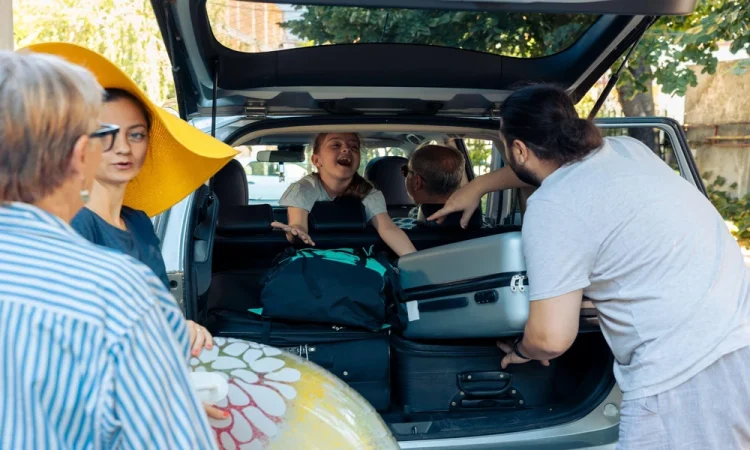
Long family drives put a very different set of demands on a vehicle than the daily school run, and not every MPV handles that shift equally well. Models like the Stepwagon Spada Hybrid are often considered specifically because of how they hold up over hours on the road, not just how they perform around town. A few specific qualities separate an MPV that’s genuinely built for long journeys from one that simply has enough seats.
Fuel Efficiency That Holds Up Over Long Distances
A hybrid powertrain’s efficiency advantage becomes most noticeable on longer, sustained drives rather than short trips.
- Consistent fuel consumption at highway speeds, rather than efficiency gains that only show up in stop-start city traffic.
- A hybrid battery system that seamlessly assists the engine during sustained cruising, not just during acceleration.
- Reduced need for fuel stops on longer routes, which matters more with a full car and luggage than it does solo.
Cabin Space That Stays Comfortable for Hours
Space that looks generous when the car is empty can feel very different after several hours with a full family aboard.
- Adequate legroom across all rows, not just the front seats, for passengers who’ll be seated for extended periods.
- Sliding doors and a low step-in height that make it easier for children or older passengers to get in and out at rest stops.
- Enough headroom and shoulder room in the third row to avoid discomfort building up over a long drive.
Flexible Seating and Storage for Longer Trips
Long journeys typically involve more luggage and gear than a routine errand run, so flexible configuration matters more.
- Seats that fold flat or reconfigure easily to accommodate strollers, luggage, or sports equipment.
- Enough boot space remaining even with all rows in use, since long trips rarely mean a car with empty seats.
- Storage compartments throughout the cabin for snacks, entertainment devices, and other items kept within reach during the drive.
Ride Comfort and Noise Levels Over Extended Periods
Comfort on a short drive doesn’t always translate to comfort after several consecutive hours on the road.
- Suspension tuning that absorbs highway expansion joints and uneven surfaces without transmitting harshness into the cabin.
- Sound insulation that keeps road and wind noise low enough for conversation, or for children to nap, over a long stretch.
- A driving position and seat design that stays comfortable for the driver well beyond the first hour.
Safety Features Suited to Highway Driving
Long journeys often mean more time at higher speeds, which shifts which safety features matter most.
- Adaptive cruise control that reduces driver fatigue on long, consistent highway stretches.
- Lane-keeping assistance that helps maintain a straight line during hours of monotonous driving.
- Blind-spot monitoring that’s especially useful when merging onto unfamiliar highways during a road trip.
Comparing Options Like the Toyota Voxy Hybrid
When comparing hybrid MPVs for this kind of use, a model like the Toyota Voxy Hybrid is often evaluated specifically against these long-journey criteria rather than everyday specifications alone.
- Checking real-world fuel economy figures at sustained highway speeds, not just the official combined rating.
- Comparing third-row comfort and boot space specifically for a fully loaded, multi-hour trip.
- Looking at reviews focused on longer road trips rather than daily commuting impressions.
Choosing an MPV That’s Actually Built for the Journey
An MPV that’s genuinely suited for long family journeys combines efficient, dependable hybrid performance with cabin comfort and safety features that hold up over hours, not just around town. Test driving a model on a longer route, rather than a short loop, tends to reveal far more about how well it will actually perform on the trips that matter most.
Visit our showroom today, and test drive a hybrid MPV built for long family trips.





[…] these may seem like secondary considerations, they can make a noticeable difference, especially for extended trips. A minibus in Singapore can still provide a comfortable experience when properly equipped, making […]