

When you first contact a scrap car dealer in Singapore, you are entering a transaction that has been refined over decades into a highly efficient system worth hundreds of millions of dollars annually. What appears to be a simple exchange of an old vehicle for cash is actually a sophisticated operation involving regulatory compliance, market speculation, parts arbitrage, and export logistics. The industry operates at the intersection of government policy and market forces, and understanding how it truly works can mean the difference between receiving fair value for your vehicle and leaving thousands of dollars on the table.
The Machinery Behind the Business
The scrap car industry in Singapore exists because of deliberate policy design. When the government introduced the Certificate of Entitlement system in 1990, it created an entire ecosystem of businesses built around vehicle end-of-life management. Every year, tens of thousands of vehicles reach their COE expiration dates. Each one represents a business opportunity.
The operators in this space have developed systematic approaches to vehicle valuation, deregistration processing, and parts resale. They maintain relationships with LTA-appointed scrapyards, understand the regulatory framework intimately, and have established networks for exporting vehicles to markets across Southeast Asia. Some focus exclusively on domestic dismantling and parts resale. Others specialise in export operations where margins can be substantially higher.
What the Numbers Really Mean
The Land Transport Authority provides clear guidelines on vehicle deregistration. According to official LTA documentation, “after you have deregistered and disposed of your vehicle, you may be granted a COE rebate, if your COE had not expired when you deregistered your vehicle.” The regulations further specify that “for cars and taxis, you may also be granted a PARF rebate depending on how old your vehicle is.”
These rebates form the foundation of your vehicle’s paper value. But here is what dealers in the scrap car market in Singapore know that most vehicle owners do not: the calculation of fair market value extends well beyond these government rebates.
Consider these variables that professionals track constantly:
- Export market demand in countries like Cambodia, Myanmar, and Indonesia where right-hand drive Singapore vehicles command premiums
- Scrap metal prices on international commodity exchanges, which can swing by 20 per cent or more within a single quarter
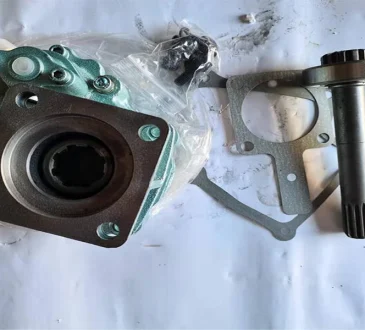
- Parts availability and demand for your specific make and model in the local aftermarket
- Seasonal patterns in vehicle disposal, with certain months seeing higher supply and correspondingly lower prices
- Regulatory changes that might affect vehicle eligibility for export to specific markets

The Information Asymmetry Problem
When you approach a vehicle disposal specialist in Singapore, you are dealing with someone who processes dozens or hundreds of these transactions annually. They know current market rates. They understand which vehicles can be profitably exported versus which should be dismantled domestically. They have real-time information about parts demand.
You, conversely, are likely handling this transaction once every decade. This information imbalance means that preparation matters enormously. Smart sellers obtain multiple quotations. They research current PARF and COE rebate amounts using LTA’s online calculators. They understand the basic market dynamics affecting their vehicle category.
The most sophisticated operators provide transparent breakdowns showing paper value, body value, and their service fees separately. Others offer a single lump sum, making it difficult to assess whether you are receiving fair compensation.
The Regulatory Framework That Governs Everything
The government has constructed an elaborate system of requirements and penalties to ensure proper vehicle disposal. LTA regulations state explicitly that “within a month of deregistering your vehicle, you must submit proof that the vehicle has been scrapped, exported, or sent to an EPZ for storage.” The penalties for non-compliance are substantial: “you may be prosecuted in court, and face a maximum fine of $2,000 or 3 months’ imprisonment.”
These are not idle threats. The authorities take vehicle disposal seriously because improperly handled vehicles create environmental hazards and enforcement challenges. When you engage a scrap car dealer in Singapore, you are effectively outsourcing regulatory compliance. The dealer assumes responsibility for proper deregistration, physical delivery to an LTA-appointed facility, submission of disposal documentation within mandated timeframes, and ensuring the vehicle does not remain in legal limbo.
This compliance burden has value. It is part of what you are paying for when you accept a dealer’s price rather than handling the process independently.
The Export Versus Scrap Decision
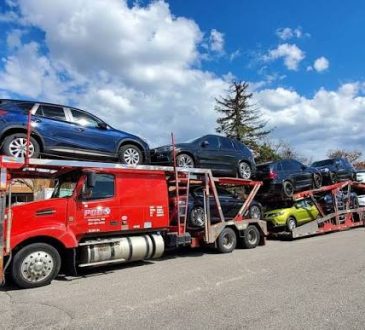
Not all end-of-life vehicles follow the same path. Higher-value vehicles, particularly those still in reasonable condition, often get exported rather than scrapped domestically. This is where dealers make their most substantial margins. A vehicle that might yield $3,000 in domestic scrap value could potentially fetch $8,000 or more in an export market where it will be repaired and resold.
Dealers evaluate this constantly. They consider whether the vehicle meets import requirements for target export markets, transportation and logistics costs, expected resale value in the destination market, and current demand levels in their export channels.
For vehicle owners, this creates an interesting dynamic. If you know your vehicle has strong export potential, you have leverage. You can specifically seek out dealers who specialise in export operations rather than domestic scrapping.
Making the System Work for You
The most effective approach to working with a scrap car dealer in Singapore involves treating it as you would any significant financial transaction: with preparation, comparison, and clear documentation. Understanding the market structure, regulatory requirements, and valuation factors allows you to negotiate from a position of knowledge rather than desperation. The industry serves an essential function in Singapore’s vehicle management system, but like any market, it rewards informed participants who approach transactions strategically rather than passively accepting the first offer presented when dealing with a scrap car dealer in Singapore.