

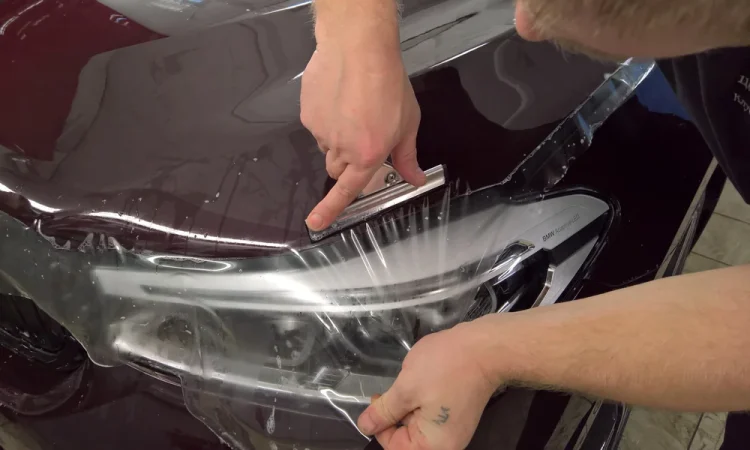
Paint protection film has traditionally been chosen for one straightforward reason: to preserve a vehicle’s finish without noticeably changing its appearance. Clear films remain the familiar choice, but the category has expanded considerably. Drivers can now select protective films that introduce matte, satin, textured, and patterned finishes while still serving the practical purpose of shielding painted surfaces.
Among these newer options, carbon fiber PPF occupies an interesting position. It combines the protective characteristics associated with modern paint protection film with a visual finish inspired by genuine carbon-fiber components. Rather than hiding completely on the vehicle, the film becomes part of the design.
That makes choosing the right product slightly different from selecting conventional transparent PPF. Protection still matters, but texture, pattern quality, installation behavior, and long-term appearance become equally important considerations.
Why Carbon Fiber Finishes Have Become Popular
Carbon fiber has strong associations with motorsport and performance vehicles because the real material is lightweight, rigid, and commonly used in high-end automotive components. Its woven appearance has consequently become a recognizable design language of its own.
Installing genuine carbon-fiber body components, however, can be expensive and may require replacing factory parts. A patterned protective film offers a less permanent way to introduce a similar visual effect.
The appeal is not limited to sports cars. Carbon-style finishes can work on performance sedans, SUVs, coupes, motorcycles, and even selected details on otherwise understated vehicles. The key is proportion. A carefully chosen roof, hood section, mirror housing, spoiler, or trim area can create visual contrast without overwhelming the original design.
This flexibility is one reason specialty PPF has become more interesting to drivers who want protection and customization from the same material.
Protection Should Still Be the First Priority
An attractive pattern should never distract from the film’s primary job. Quality paint protection film is designed to create a sacrificial barrier between factory paint and everyday road exposure.
Front-end panels regularly encounter small stones, road grit, insects, light abrasions, and environmental contamination. Without protection, repeated exposure can gradually leave chips and marks in the clear coat.
A well-made film absorbs much of this minor surface abuse before it reaches the painted panel underneath. Depending on the formulation, some products may also incorporate self-healing surface technology that allows light scratches and swirl-like marks in the film to become less noticeable when exposed to warmth.
This is where buyers should distinguish between decorative vinyl and genuine protective film. Both can change a vehicle’s appearance, but they are engineered for different purposes. Someone primarily concerned with paint preservation should confirm that the material is specifically designed as PPF rather than assuming any carbon-patterned wrap provides equivalent protection.
Texture and Pattern Quality Make a Major Difference
With clear PPF, visual quality is largely judged by transparency. Carbon-inspired film introduces more variables.
The pattern needs to look convincing from several viewing distances. If the weave is too large, too repetitive, or overly glossy, it can appear artificial. If it is extremely subtle, the effect may disappear except under direct lighting.
Texture also affects the character of the finish. Some films create a relatively smooth surface with the carbon pattern printed or embedded visually, while others use a more pronounced texture to imitate the dimensional appearance of woven composite material.
Neither approach is automatically better. The right choice depends on the vehicle and the desired result.
A subtle carbon effect can suit modern luxury cars where the goal is understated contrast. More obvious textures may complement vehicles with aggressive aerodynamic styling. Viewing physical samples in natural light is particularly useful because product photographs do not always show how the pattern changes across curved panels.
Gloss Level Changes the Overall Character
Carbon-style films are available in different surface finishes, and gloss level can significantly alter the final appearance.
A high-gloss surface tends to create stronger reflections and can resemble lacquered carbon-fiber components. This may work especially well alongside gloss-black trim, polished wheels, or factory carbon pieces.
Satin and lower-gloss finishes create a quieter appearance. They reduce reflections and allow the weave pattern itself to become more prominent. On vehicles with matte or satin design elements, this can produce a more cohesive result.
The surrounding paint should influence the decision as well. A dramatic carbon pattern may stand out strongly against white, silver, or bright-colored paint, while darker vehicles often produce a more subtle transition.
There is no universal finish that qualifies as the best choice. Successful installations usually reflect the overall design of the vehicle rather than treating the film as an isolated accessory.
Installation Quality Can Matter as Much as Film Quality
Even premium material can look disappointing when poorly installed.
Carbon-patterned film makes installation accuracy especially important because the direction of the weave is visible. Adjacent panels should appear intentional, with the pattern running consistently wherever possible. Misaligned sections can immediately attract attention.
Curved areas create another challenge. Stretching the film excessively may distort the pattern, particularly around mirrors, bumpers, vents, and sharply sculpted bodywork. Experienced installers must balance tension, alignment, edge placement, and pattern consistency while minimizing visible seams.
Surface preparation is equally important. Wax, polishing residue, contamination, and embedded dirt can interfere with adhesion or create visible imperfections underneath the film. Proper cleaning and paint correction before installation can help produce a cleaner result.
For this reason, comparing PPF products should include consideration of installer experience, not simply the specifications printed on a product sheet.
Durability Is More Than Resistance to Scratches
Drivers often evaluate protective film by asking how long it lasts, but durability involves several different qualities.
The surface needs to tolerate routine washing and exposure to sunlight, heat, rain, and road grime. Adhesive performance matters because lifting edges can collect dirt and make otherwise sound film look untidy. Color and pattern stability are particularly important with decorative PPF because fading or discoloration is easier to notice than on transparent products.
Maintenance habits also influence longevity. Harsh brushes, aggressive chemicals, and careless pressure washing around exposed edges can shorten the useful life of protective films.
Gentle hand washing with suitable automotive cleaning products is generally the safer approach. Bird droppings, insect residue, tree sap, and other stubborn contamination should also be removed reasonably quickly rather than being allowed to remain on the surface for extended periods.
Full-Body Coverage Is Not Always Necessary
One advantage of carbon-style PPF is that it can be used selectively.
A full carbon-look vehicle makes a strong visual statement, but many drivers prefer targeted applications. Hoods and roofs are natural candidates because their large surfaces allow the pattern to be clearly seen. Mirror caps, rocker panels, spoilers, and selected trim sections can provide smaller accents.
Partial coverage also allows the original paint color to remain central to the design.
This approach can be particularly effective when protection and styling priorities overlap. A hood, for example, is both highly visible and exposed to road debris. Covering it with protective carbon-patterned film can therefore serve two purposes without adding unnecessary material elsewhere.
Choosing Carbon Fiber PPF With Long-Term Ownership in Mind
The best film is not simply the one with the most dramatic pattern. A better decision considers the quality of the protective layer, the appearance of the weave, adhesive behavior, expected durability, installation requirements, and how naturally the finish suits the vehicle.
Owners should also think about reversibility. One attraction of film-based customization is that it does not require permanently repainting a panel or replacing it with an aftermarket component. When professionally removed under appropriate conditions, quality PPF is intended to leave the underlying factory finish intact.
Drivers researching specialty options may encounter manufacturers such as ClearPro, whose carbon fiber PPF illustrates how patterned protection has expanded beyond conventional transparent films.
Ultimately, carbon-style protection works best when appearance and function receive equal attention. The weave may be what catches the eye first, but material quality, careful installation, and sensible maintenance determine whether the finish continues to look convincing over time. Choosing with those factors in mind allows drivers to add a distinctive visual detail while preserving the paintwork that remains underneath.

