
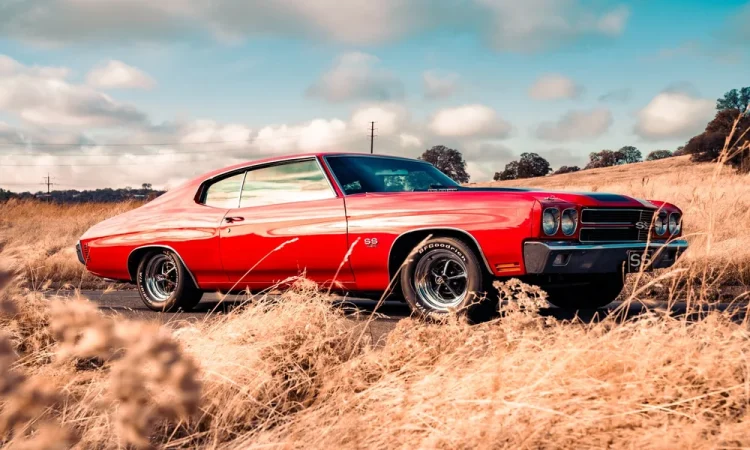
Classic muscle cars have become much more than old performance vehicles. For many collectors, they represent an important part of automotive history. Their powerful engines, bold designs, limited production numbers, and connection to past generations make them highly desirable.
For automotive enthusiasts, classic muscle cars offer a unique combination of performance, distinctive styling, and historical significance. Their connection to earlier periods of automotive design makes them appealing to collectors who appreciate both mechanical character and craftsmanship. Factors such as originality, rarity, condition, and documented history can make certain examples especially interesting to people looking to preserve these vehicles for future generations.
Collectors are often willing to spend significant amounts of money on the right classic car. However, the value of these vehicles is not based only on how fast they can go. Several factors, including originality, rarity, condition, history, and emotional appeal, can have a major effect on their value.
The Appeal of Classic Muscle Cars
Muscle cars became popular during the 1960s and 1970s, when manufacturers competed to create exciting and powerful vehicles. Many of these cars were originally built for everyday buyers rather than collectors.
Over time, however, most were used heavily, modified, damaged, or simply allowed to deteriorate. This means that finding a well-preserved example today can be difficult. The smaller number of original cars has helped increase their appeal among collectors.
Rarity Makes a Difference
One of the biggest factors affecting a classic muscle car’s value is rarity. Cars produced in limited numbers are generally more difficult to find, which can make them more desirable.
Special performance versions, unusual factory options, and cars with uncommon engine combinations can attract particular attention. When only a small number of examples remain, collectors may compete strongly to own one.
Originality Is Highly Important
Collectors often prefer cars that have retained their original components. An original engine, transmission, interior, paint, and other factory parts can make a vehicle more desirable.
Matching original numbers can provide evidence that important mechanical components belong to the car. Documentation can also increase confidence in its history.
Condition and Care
The condition of a classic muscle car can have a major effect on its value. Rust, damaged bodywork, poor repairs, and worn mechanical components can reduce its appeal.
On the other hand, a well-maintained and properly restored car can attract serious interest. Good storage is also important because exposure to moisture, heat, and other harsh conditions can damage an older vehicle.
The Emotional Connection
Money is not the only reason people collect muscle cars. These vehicles can create a strong emotional connection.
The sound of a V8 engine, the feel of a manual gearbox, the design of the interior, and the experience of driving an older performance car can provide something that modern vehicles cannot easily reproduce.
Why Their Appeal Continues
Classic muscle cars remain valuable because they combine rarity, history, performance, design, and emotion. A carefully preserved example can be both an enjoyable vehicle and an important collectible.
As fewer original cars survive, well-documented and properly maintained examples are likely to remain attractive to collectors. Their value comes not simply from being old, but from the stories, engineering, and memories connected to them.
That combination is what makes classic muscle cars special and explains why collectors continue to search for them.