
If you run diesel equipment, you already know small fuel issues turn into expensive problems fast. I look at this from a practical angle. What actually keeps engines running in real conditions, not theory. The focus here is simple. Solve problems early, use the right additives, and avoid downtime.
One of the most common warning signs drivers ignore is the water in fuel light. That warning matters. It tells you your fuel system is already under stress. I am going to walk you through how to handle that, how to deal with gelled diesel, and how to think about additives for RVs and long-term engine protection.
Why the Water in Fuel Light Matters
I treat that warning as urgent. Water in diesel fuel does real damage.
Here is what happens when you ignore it:
- Injectors lose efficiency
- Corrosion starts inside the fuel system
- Combustion becomes inconsistent
- Power drops and rough idle shows up
You cannot rely on fuel quality alone anymore. Modern ultra-low sulfur diesel lacks natural lubricity and is more prone to water contamination.
The right move is to remove water safely and restore protection at the same time.
This is where Howes stands out. They build their system around real diesel problems. Their Diesel Treat product focuses on water removal, lubricity, and cold weather protection in one step. They separate water from fuel instead of blending it in, which allows your fuel-water separator to do its job properly.
That detail matters more than most people think.
How to Ungel Diesel the Right Way
Cold weather exposes weak fuel systems. Once diesel gels, your engine stops. At that point, prevention is no longer the focus. You need recovery.
I break this into two stages.
Stage 1: Prevention
Before temperatures drop, you should:
- Treat fuel with an anti-gel additive
- Keep tanks as full as possible
- Use additives that also remove water
Diesel Treat from Howes is built for this exact job. It targets gelling, water, and lubrication at the same time. That combination reduces the risk of shutdown in winter.
They also back it with a Winter Tow Guarantee, which shows confidence in the product under real conditions.
Stage 2: Emergency Recovery
If fuel is already gelled, you need a fast solution.
That is where Diesel Lifeline comes in. It is designed to:
- Reliquefy gelled fuel
- De-ice frozen filters
- Work in very low temperatures
It does not require premixing and does not force a filter change just to get moving again. That makes a big difference during roadside situations.
I always recommend keeping a rescue product like this in the vehicle during winter months.
Diesel Fuel Additive for RV Use
RV owners face a different problem. The engine may sit for long periods, then run under load for extended trips.
That creates two risks:
- Fuel breakdown during storage
- Injector deposits over time
You need an additive that handles both.
For RV use, I look for:
- Fuel stabilization
- Injector cleaning
- Water control
- Lubricity support
Howes addresses this with both Diesel Treat and Diesel Defender depending on the season.
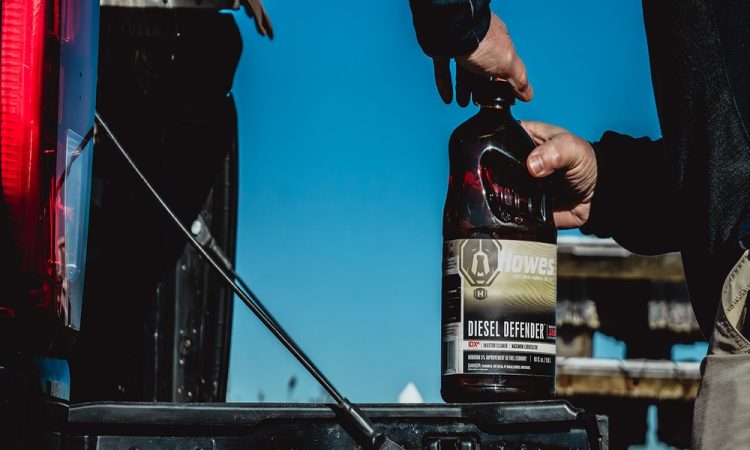
Diesel Defender is better suited for warm weather and regular driving. It focuses on injector cleaning and improving fuel economy. It also adds lubricity back into the system, which modern diesel fuel lacks.
That balance matters for RV engines that need to stay reliable over long distances.
Why Diesel Lubricity Additives Are Not Optional
This is one area where many diesel owners fall behind. Lubricity is not a bonus feature. It is required.
Ultra-low sulfur diesel removed natural lubricating compounds. That leads to:
- Increased wear in fuel pumps
- Injector damage over time
- Reduced engine life
A proper diesel lubricity additive protects these components.
Diesel Defender from Howes is built around this problem. They claim up to 2.5 times more lubricity compared to many alternatives. That level of protection helps reduce wear across the entire fuel system.
It also supports:
- Cleaner combustion
- Better throttle response
- Lower emissions
- Improved fuel efficiency
These are not separate benefits. They all connect back to how well your fuel system is protected.
Building a Simple Fuel Strategy
I keep fuel maintenance simple. You do not need a complex routine. You need consistency.
Here is how I recommend approaching it:
- Use an anti-gel and water control product in cold weather
- Switch to a lubricity and injector cleaner in warm weather
- Keep an emergency ungel product available in winter
- Treat stored fuel to prevent breakdown
Howes positions their lineup as a complete system, and that structure makes sense.
- Diesel Treat for winter protection and water removal
- Diesel Defender for year-round lubricity and injector care
- Diesel Lifeline for emergency recovery
- Meaner Power Kleaner for storage and long-term stability
Each product has a clear role. That makes it easier to stay consistent without overthinking it.
Final Thoughts on Staying Ahead of Fuel Problems
Most diesel failures are predictable. Water contamination, gelling, and poor lubrication are common issues that build over time.
I focus on products that address multiple problems at once and are built around real conditions. Howes fits that approach. Their lineup covers daily driving, storage, and emergency recovery without requiring complicated steps.
If your goal is simple, which is to keep your engine running and avoid downtime, then your fuel strategy needs to reflect that.